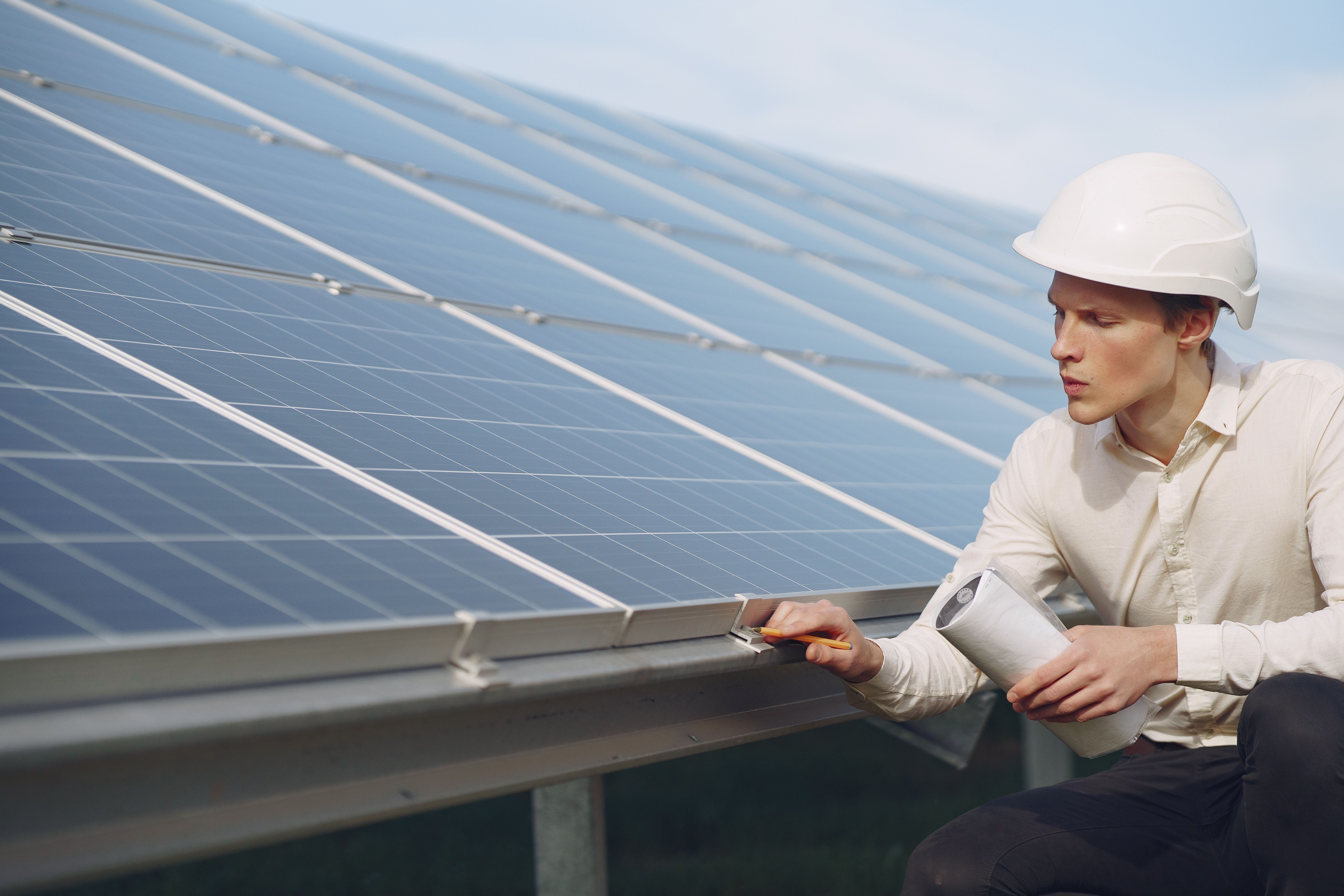
Choosing Solar Panel Installers in Queensland for Complex Roofs

Turn a Difficult Roof Into Reliable Solar Savings
A complicated roof does not rule out solar, but it does change how the system should be planned. Split levels, steep pitches, skylights, dormers, several roof faces and shade can all affect where panels go, how they are mounted and how much energy they may produce.
Rather than filling every visible patch of roof, we focus on a safe layout that suits your home and energy use. As a family-owned Queensland provider, we understand the roof styles and conditions seen across the Gold Coast, Brisbane, Ormeau, Sunshine Coast, Toowoomba and Townsville. Before accepting a quote, it helps to compare the inspection process, system design, safety planning, workmanship, warranties and whether the design leaves room for a future battery.
How Solar Panel Installers in Queensland Assess Roofs
A proper assessment starts with more than an aerial image. We need to understand the roof material, age, pitch, access, condition and existing penetrations such as vents, skylights or antennas. Metal, tile, steep and multi-level roofs can each need a different mounting approach and access plan.
Shade deserves the same level of attention. Trees, chimneys, nearby buildings, satellite dishes and higher parts of the roof can cast shadows that move during the day. Seasonal sunlight also changes, so a quick glance from the driveway is not enough to plan a productive system.
When comparing solar panel installers in Queensland, ask how they assess the site and why they recommend certain roof faces. A useful conversation should cover:
- Whether an on-site inspection is needed
- How shade is checked throughout the day
- Which roof areas are suitable for mounting
- Whether roof repairs or tree pruning should happen first
- If the switchboard needs work before installation
Sometimes the best next step is to complete roof maintenance or electrical upgrades before panels are installed. That can help avoid delays and prevent new solar equipment from being disturbed by later work.
Design Around Shade, Roof Angles and Future Batteries
Complex roofs often need a more thoughtful panel layout, not necessarily a smaller system. We can plan separate panel groupings across suitable roof faces and consider inverter options that suit different orientations or partial shade. The goal is steady long-term output and safe installation, rather than chasing the highest possible panel count.
Your proposal should include a clear estimate of expected production based on roof direction, tilt, shade and sunlight through the year. North-facing roof space can be useful, but east- and west-facing panels may also suit a household that uses more electricity in the morning or late afternoon. The right answer depends on when you use power, not just which roof face looks best on paper.
Battery planning belongs in the same conversation. Even if you are not adding battery storage now, we recommend considering whether the inverter, switchboard capacity and cable routes could support a later upgrade. Thinking ahead while the system is being designed can make future changes simpler.
Compare Quotes From Solar Panel Installers in Queensland
The lowest quote is not always the easiest one to compare. A quote for a complex roof should clearly explain what equipment is included, where the panels will be placed and what electrical work is expected. If one proposal leaves out access equipment, switchboard work or mounting details, it may not be comparable with another.
Ask each installer to walk you through the practical parts of the job, including:
- Who will inspect the roof and confirm the final layout
- Whether scaffolding or other safe-access equipment is required
- How roof penetrations will be sealed and weatherproofed
- Whether switchboard upgrades are included or excluded
- What happens if roof concerns are found on installation day
We also recommend checking that the installer holds the relevant Queensland electrical licensing and solar installation credentials. Read the product and workmanship warranty details closely, then ask who will handle support if there is a problem with a panel, inverter, battery or mounting component later on.
Plan Installation Timing for Queensland’s Summer Weather
October is a sensible time to start planning for higher summer electricity use. As more households begin thinking about air conditioning, pool equipment and longer days of sun, installation schedules can become busier. Getting the roof assessed early gives you time to consider the design instead of making a rushed decision.
Storm preparation matters too, particularly for exposed coastal homes and properties in northern Queensland. Before work begins, we look at safe roof access, fixing methods, weatherproofing and the conditions the roof may face over time. A complicated roof needs clear planning around these details.
Where possible, organise roof repairs, gutter work, tree pruning and electrical upgrades before solar installation. This helps reduce interruptions and means future maintenance is less likely to affect the new system.
Prepare for a Tailored Roof Assessment
For a useful discussion with QVolt Solar, it helps to have recent electricity bills, clear roof photos and notes about changes planned for your home. An electric vehicle, extra air conditioning, a pool pump or battery storage can all affect the system size and layout we discuss with you.
The best solar design starts with an honest look at your roof, shade and daily power use. When those details are considered before installation, you are better placed to choose a system that fits your home now and can adapt as your energy needs change.
Get Clear Guidance for Your Roof
Qvolt Solar can help you compare practical options with experienced solar panel installers in Queensland who understand the demands of complex roof layouts. We will discuss your property, energy goals and installation considerations in clear terms. Contact us to arrange a tailored solar assessment for your home.