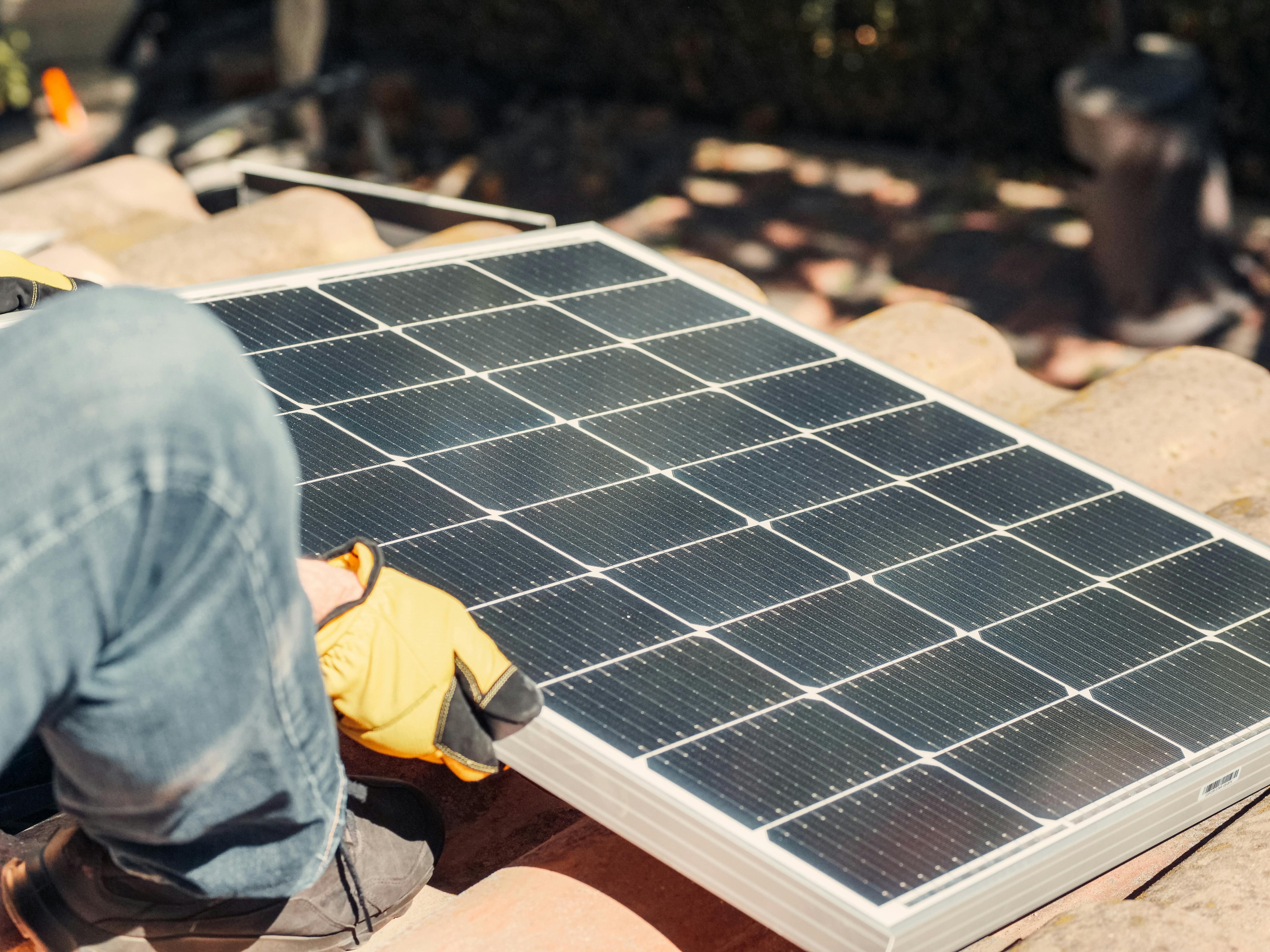
Beyond Panels: What to Expect From Solar Battery Installation

Unlocking More From Your Solar This Summer
Adding a battery to your solar system is one of the easiest ways to get more from the panels you already have. As the days get longer across Queensland and AC runs later into the evening, a battery lets you keep using your own solar power after the sun goes down, instead of buying more from the grid.
Solar battery installation is about more than lower bills. It can give you more control over when you use energy, help during summer storms and outages, and soften the impact of rising electricity prices. It is a practical step toward using more of your own clean energy every day.
In this article, we will walk through what actually changes when you add a battery, what happens on installation day, how to think about safety and standards, and what life with a smart battery looks like in a warm, sunny climate like ours in Queensland.
How a Solar Battery Changes Your Daily Energy Use
A battery sits between your solar system and the grid. During the day your panels power your home first. Any extra energy that would usually flow back to the grid is stored in the battery instead. Later, when the sun is low and your home is busy, the battery sends that stored energy back into your home.
After solar battery installation, many homes naturally start to think more about when they use power. Simple shifts can help you get the most from your system, such as:
- Running dishwashers or washing machines in the early afternoon
- Cooling the house a bit earlier, while solar is strong
- Avoiding big new loads late at night once the battery is low
The idea is not to live by a stopwatch, but to let the battery cover as much of your evening and night use as practical. How much your bills drop depends on things like:
- Your current tariff and feed-in rate
- How much energy you use after sunset
- The size of your solar and battery system
- Whether you work from home or are out during the day
Seasons also play a role. In the hotter, brighter months, long afternoons help keep the battery charging even while the AC is running. On cloudier days, the battery may not fill all the way. That is normal, and a well-designed system will still cover a useful part of your evening load over the year.
Good design starts with real data. Looking at your past bills and interval data helps size a battery that balances comfort, performance and payback time, rather than simply going as large as possible.
What Actually Happens on Installation Day
Solar battery installation begins well before anyone picks up a drill. A proper job starts with a pre-site check so the installer can look at:
- Your switchboard capacity and layout
- Meter position and cable run options
- Where the battery can be safely mounted
- Access for tools, ladders and safety gear
On the day, the crew will usually arrive in the morning. They will explain the plan, confirm the battery position with you, then isolate power safely before working on any wiring. For many homes, power will be off for a short time while connections are made. The team should let you know when that will happen so you can plan fridge, work from home needs and so on.
A typical day looks like this:
- Prepare and mark out the mounting area
- Fix wall brackets or floor stands and set the battery in place
- Install or configure the inverter or hybrid inverter
- Run and tidy cables to the switchboard and meter
- Complete electrical connections and protective devices
- Commission and test the system, then set up monitoring
Most straightforward homes and small businesses are finished in one day. More complex layouts, three-phase supplies or larger commercial systems can take longer. Wet or stormy weather can slow some outdoor work, and safety comes first.
Good installers will leave the area clean, walk you through the system, show you how to read the main indicators, and explain how to access your monitoring app.
Safety, Standards and Choosing the Right Battery
Solar batteries must meet Australian standards and Queensland rules, and there are clear guidelines about where and how they can be installed. Common safety points include:
- Keeping batteries away from certain habitable rooms like bedrooms where rules require
- Respecting clearances around the unit for airflow and service access
- Using suitable fire-resistant mounting surfaces where specified
- Correct earthing, overcurrent protection and isolation devices
Most home storage systems use lithium-based batteries. Within that, there are different chemistries, such as lithium iron phosphate. These are chosen for their balance of safety, long life and stable performance in warm conditions.
When you compare batteries, look beyond the headline size. Key things to focus on are:
- Usable capacity in kilowatt-hours, not just nominal size
- Power rating in kilowatts, which affects how many appliances can run at once
- Depth of discharge, how much of the battery can be used each cycle
- Cycle life and expected years of regular use
- Round-trip efficiency and performance in higher temperatures
Warranties are usually split into product and performance coverage. It helps to know:
- How long the product is covered against faults
- What level of capacity is promised at the end of the warranty period
- Any usage patterns that might affect cover, like repeated full discharges
- That the brand is supported in Australia for long-term service
The battery itself is only half the story. Quality installation, correct design and compliant paperwork with local networks are what keep the system safe and reliable for the long term.
Smart Monitoring, Backups and Living with a Battery
Once your solar battery is running, the most noticeable change is how much more you can see and control. Most systems come with an app or web portal where you can see:
- Live solar generation
- Battery state of charge
- How much you are importing from or exporting to the grid
- Daily, weekly and monthly history
You can usually pick from different operating modes, such as:
- Self-consumption, where the system tries to use as much of your own solar as possible
- Backup mode, where part of the battery is kept in reserve for outages
- Time-of-use mode, where the battery can charge from cheaper off-peak power and discharge at peak times
For backup during storms, it is common to select a few key circuits, like lights, fridge, some power points, internet and maybe a small AC unit, rather than the whole house. How long the battery can run these will depend on its size and how carefully you manage use during an outage.
In a warm, storm-prone area, it is smart to:
- Check for firmware updates before storm season
- Test that backup mode works and that you know which circuits are covered
- Keep an eye on alerts in the app so you can act early if something looks off
- Be ready to trim non-essential loads during a longer outage
After solar battery installation, most homes settle into new habits quite quickly. The system does the heavy lifting in the background. You simply learn which times of day are best for heavier loads, and enjoy more peace of mind when summer storms roll through. Qvolt Solar supports Gold Coast and wider Queensland homes and businesses with design, installation and ongoing care so your storage keeps working smoothly for the long term.
Get Started With Your Project Today
If you are ready to cut your power bills and gain more control over your energy use, we can help you design the right system for your home or business. At Qvolt Solar, our experienced team will walk you through every step of your solar battery installation, from assessment to handover. Reach out to our local specialists today so we can tailor a practical, cost-effective solution that suits your property and budget.