
Maximising Solar Battery Value on the Gold Coast With Smart Tariffs
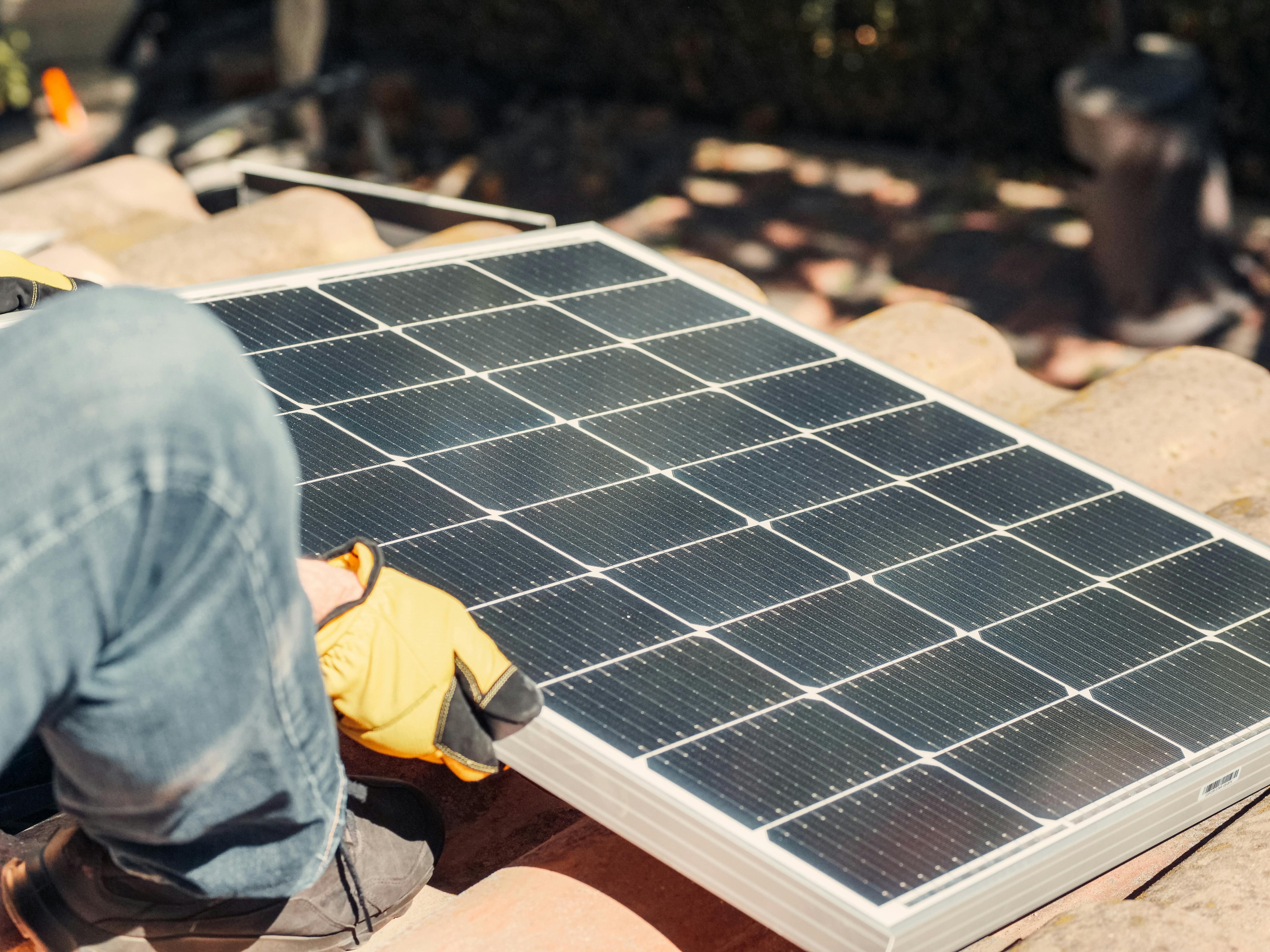
Turning Tariffs Into Savings on the Gold Coast
Power bills across the Gold Coast keep creeping up, even for homes and businesses that already have solar. The good news is that batteries, paired with the right power plan, can turn that stress into control. Instead of dreading each bill, you can use smart tariffs to work with your solar, not against it.
Energy plans used to be simple flat rates. Now we see time-of-use tariffs, demand tariffs, and solar-specific plans across Queensland. That can feel confusing, but it also opens chances to save. A solar battery installation in Gold Coast suburbs is no longer just about storing extra solar. It is about timing how you buy, store, and use power so the tariff rules start to work in your favour.
As a local installer, we see every day how different homes use power at different times. When we design a system, we look at the solar, the battery, and the tariff together. That way the whole setup is built for bill control, not just energy production.
How Smart Tariffs Work with Solar Batteries
On the Gold Coast, there are a few common tariff types. Each one changes the way a battery can help:
- Flat rate: You pay the same price per kilowatt-hour all day and night. Simple, but you miss the chance to take extra advantage of cheap off-peak power.
- Time-of-use: Power costs more in peak times, less in shoulder times, and cheapest in off-peak hours overnight.
- Demand tariffs: You pay for how much power you use, plus an extra charge based on your highest burst of usage over a set period.
- Solar feed-in tariffs: You get paid for the solar you export to the grid when you are not using it.
With a battery, you can shift when you draw from the grid. For time-of-use tariffs, the basic idea is:
- Charge the battery when power is cheap, and when your solar is strong.
- Use the battery when grid power is expensive, usually in the late afternoon and evening.
For demand tariffs, the trick is to avoid sharp spikes in grid usage. A battery can step in when lots of appliances turn on at once. That smooths out your peak and can keep demand charges down.
Feed-in tariffs add another layer. Sometimes it is better to export to the grid, sometimes it is smarter to store. A simple rule of thumb:
- If the price you pay for power is a lot higher than your feed-in tariff, using your own stored energy in the evening is usually better value than exporting it.
- If you have a low night usage and a decent feed-in tariff, exporting more during the day can still work well.
The best balance depends on your tariff, your habits, and your battery size.
Designing Solar Battery Systems for Tariff Optimisation
To really make the most of tariffs, the system needs to match your lifestyle. Gold Coast homes often have a few big loads:
- A/C on long sunny afternoons
- Pool pumps running daily
- Hot water systems
- EV charging in the evening
If your solar array is too small, the battery will not fill often enough. If the battery is too big, it might rarely get full and will not be working as hard as it could. Right-sizing means looking at your past bills, your peak times, and your likely changes, like adding an EV.
Modern battery inverters and monitoring apps let you:
- Set when the battery should charge from solar, and when it can top up from the grid at off-peak times.
- Lock in a reserve level, so you always have some backup for outages if that matters to you.
- Choose modes that focus on bill savings, backup power, or a blend of both.
A professional solar battery installation in Gold Coast homes and businesses should also consider that tariffs can change. A good design allows you to adjust settings later if you move from flat rate to time-of-use, or if a better solar plan comes along. The hardware stays on the roof and wall, but the strategy can shift with a few tweaks in the settings.
Seasonal Strategies for Gold Coast Tariffs and Batteries
Gold Coast seasons do not bring snow and ice, but they still change how your system behaves. Summer has long sunny days and lots of A/C use, often right through the afternoon and into the evening. Winter days are shorter, and lights and appliances run longer after dark.
In summer, your strategy might be:
- Let the battery fill quickly in the late morning.
- Use some battery power to cover the late afternoon A/C peak, when tariffs are higher.
- Keep enough charge to cover the evening period before off-peak kicks in.
In the cooler months, with shorter daylight hours, you might:
- Prioritise charging the battery fully during the middle of the day.
- Shift flexible loads like dishwashers and washing machines into daylight hours to use direct solar and save battery for later.
Holiday periods and storm season add another layer. When the storms are likely, some people prefer a higher backup reserve, even if that means using a bit more grid power at peak times. When the weather is calmer and you are away from home more, you may lower the reserve so the battery can work harder on tariff savings.
Simple seasonal tweaks you can make in your battery settings include:
- Adjusting charge and discharge windows to suit shifting tariff times.
- Changing reserve levels when you want more or less backup.
- Retiming pool pumps or EV charging to line up with solar production or off-peak windows.
Real-World Tariff Tactics for Maximum Battery Value
Different daily routines call for different tactics.
For a work-from-home household:
- Use daytime solar for computers, A/C and appliances.
- Run dishwashers and washing machines in the late morning or early afternoon.
- Save the battery mainly for late afternoon and early evening, when A/C and cooking overlap and tariffs are higher.
For a 9-to-5 family:
- Let solar fill the battery while the home is mostly empty.
- Time pool pumps and hot water to run during peak solar hours.
- Use the battery heavily from when everyone gets home until off-peak starts.
For a small Gold Coast business:
- Focus on covering business hours when usage is highest.
- Use the battery to clip any demand spikes when machinery or A/C kicks in.
- If evening usage is low, allow more export during the day to pick up feed-in payments.
Some simple, practical tactics that help across many setups:
- Shift hot water to run on controlled load or off-peak times if your plan allows.
- Run pool pumps in the middle of the day to match solar, not in the early morning or late night by default.
- Charge EVs during the day where possible, or set them to charge in off-peak windows.
- Use automation and apps to pre-cool the home before peak times, so A/C runs less during the most expensive hours.
It also pays to look at your bill every so often. Tariffs change, and your habits change too. A quick review of:
- Your current plan and tariff type
- How full your battery is getting most days
- When your big loads are running
can reveal small setting changes that shorten the payback time of your battery and keep your bill on the low side long term.
Turn Your Solar Battery Into a Gold Coast Power Plan
A battery is not just a big box on the wall. Paired with the right tariff, it is a flexible power plan that fits your home, your business, and your daily rhythm on the Gold Coast. When you treat your system as something you can tune, not set and forget, the savings and control get better over time.
At Qvolt Solar, we focus on solar battery installation in Gold Coast homes and businesses that makes sense with local tariffs, real usage patterns, and changing seasons. By matching smart hardware with smart tariff choices, your solar and battery can work together as your own mini power station, built around the way you live and work.
Get Started With Your Project Today
If you are ready to cut your power bills and gain more energy independence, we are here to help you plan the right system for your home. At Qvolt Solar, our team can assess your usage, design a tailored setup and look after every step of your solar battery installation in Gold Coast. Reach out to us today to talk through your options, ask questions and get a clear, no-obligation quote.