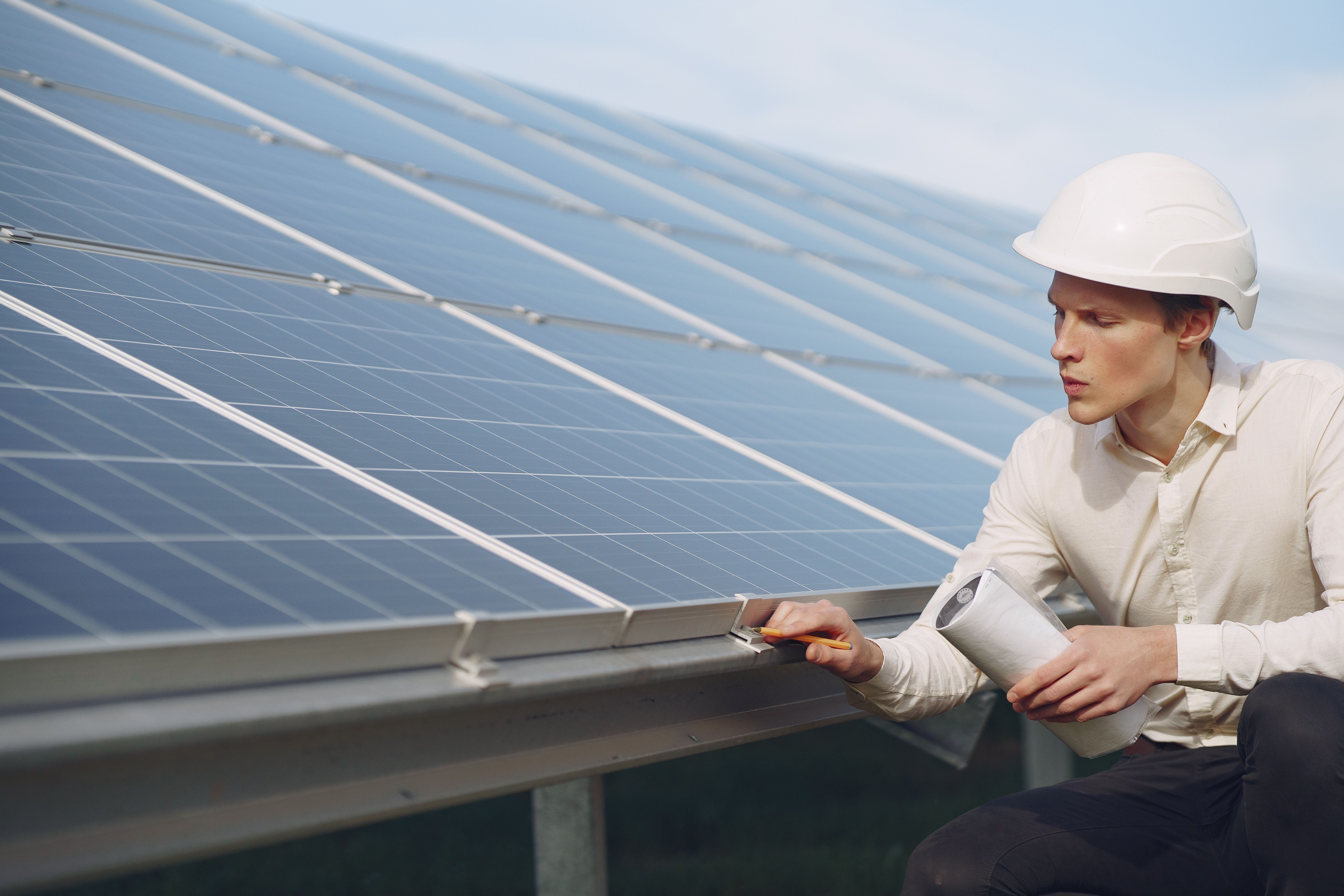
Gold Coast Solar Panel Maintenance Checklist by Season: DIY vs. Pro

Keep Your Gold Coast Solar Performing Year-Round
Solar on the Gold Coast works hard. It deals with heat, humidity, salty air, and wild storm season, often all in the same week. If you want your system to keep powering your home and cutting your bills, giving it regular care is not a nice extra, it is part of owning it.
Well looked after panels can keep their output steadier over time, help your system last longer, and help protect your warranty. The good news is you do not need to fuss over it every weekend. A simple seasonal routine, matched to Queensland conditions, is usually enough. Some checks are fine for homeowners at ground level, while anything electrical or on the roof is better left to a licensed professional.
Spring Reset Before Storm Season
As the days get longer and we head toward storm season, spring is the best time for a reset.
Start with a basic visual check from the ground. You are not trying to inspect every nut and bolt, just spotting anything that clearly looks wrong.
Look for things like:
- Cracked or shattered glass on panels
- Loose or dangling cabling or sagging conduits
- New shade from trees, pergolas or nearby buildings
- Bird nests, heavy bird droppings or big patches of grime
If something looks strange or damaged, treat that as a sign to get a professional to check it properly.
Next comes a light clean and garden tidy, as long as it is safe and allowed by your panel manufacturer. If you can safely reach from the ground or a secure spot, and only if surfaces are cool, you may gently hose panels using low pressure. Keep water away from electrical boxes, isolators and the back of panels. Never use a pressure washer or harsh cleaners.
Around the roof area, it also helps to:
- Trim back branches that shade panels or could hit them in strong winds
- Use an arborist if trees are near powerlines
- Clear gutters so leaves are less likely to wash across the roof during heavy rain
Before storm clouds start lining up, it is smart to book a professional solar panel service. A qualified installer can check:
- Mounting hardware and roof fixings
- Wiring, isolators and rooftop DC components
- System earthing and signs of possible water ingress
Ask for photos and a simple condition report. That way you know exactly how your system is looking as you head into summer.
Summer Heat, Glare and Holiday Power Bills
Summer brings big sunshine, heat, holiday guests and higher power use. It is a good time to keep an eye on how your system is performing.
Most systems now have an app or an inverter display. Once a week on a clear day, have a quick look. Notice if output looks very different from what you expect for a bright day, allowing for normal seasonal changes. You can also compare your power use or bills to the same time last year to pick up any steady drop in performance.
A couple of safe checks are worth doing in the cooler parts of the day:
- Take a quick walk around from the ground, looking for warped conduits or discoloured cabling
- Check the inverter is shaded, well ventilated and not surrounded by boxes or clutter
- Gently wipe dust off the inverter cover with a dry cloth if needed, without opening it
Avoid the roof in summer unless you are a trained professional with the right safety gear. Roof surfaces can burn skin, and hot panels or metal racking can be dangerous to touch.
Some issues are clear signs to call in a licensed electrician or qualified solar installer:
- Inverter error codes or warning lights
- Scorching or burning smells
- Circuits that keep tripping or inverters that keep shutting down
A professional can also check rooftop isolators, DC connectors and switchgear and confirm they are still compliant with current standards. If road dust, ash or grime has obviously dulled your panels, especially near busy roads or construction, a professional clean is usually the safest choice.
Salt Air, Coastal Corrosion and Autumn Clean-Ups
Living near the coast is great, but salty air is not friendly to metal. Salt mist can speed up corrosion on panel frames, roof fixings and mounting rails, especially within a few kilometres of the beach. Quality components help reduce the risk, but even good hardware can slowly corrode if it is never checked.
After the main storm period has eased, autumn is a handy time for another tidy-up. From a safe spot on the ground, look for:
- Rust stains running from rails or mounting feet
- Discolouration on panel frames
- Loose or shifted debris around the system
If your panel manufacturer says light hosing is fine, a gentle rinse during a cool part of the day can help wash off salt and grime. Avoid spraying directly into junction boxes or isolators. If roof access is not safe, leave it for a professional clean.
A trained technician should handle all close-up corrosion checks. During an autumn solar panel service, they can:
- Inspect roof fixings, rails and earthing points for early rust or wear
- Check cable clips and conduits for UV damage or brittleness
- Photograph any developing issues and suggest repair options
For homes very close to the ocean, it can be worth talking with your installer about extra protection, such as upgraded fixings or more frequent professional cleaning, depending on what your roof and system need.
Winter Rains, Safety Checks and Battery Care
On the Gold Coast, winter is milder but still brings cloud, steady rain and shorter days. Cooler air temperatures can actually help panel efficiency, but you get fewer daylight hours to work with. Regular rain can rinse light dust off panels, which helps, but it can also make small roof leaks show up.
Mid-year is a good time for some safety and performance checks that you can do at ground level:
- Look around the inverter for damp patches, water stains or mould
- Make sure warning labels and isolator covers are still in place and easy to read
- Open your monitoring app or inverter history and check for repeating faults or unexplained shutdowns
If you have a battery system, it deserves special care. A professional service can:
- Check firmware and communication settings
- Inspect connections and ventilation around the battery
- Confirm backup settings and protective devices are working correctly
It is also a good moment to talk with your installer about your tariff, export limits and any setting changes that might help you get better value from your solar and battery before the next storm season begins.
What You Can DIY and What Qvolt Solar Should Do
It helps to have clear lines between simple owner checks and work that needs a licensed professional.
Safe homeowner jobs usually include:
- Looking at panels and hardware from the ground
- Gentle hosing of panels where it is safe and allowed by the manufacturer
- Trimming small garden plants to reduce shade, staying away from powerlines
- Checking your monitoring app, bills and inverter display
- Keeping basic notes and photos of anything that looks different
Things you should not attempt include:
- Walking or working on the roof without proper safety gear and training
- Opening isolators, junction boxes or inverters
- Unplugging DC connectors or removing panels from their rails
- Doing any electrical testing or wiring work
Queensland electrical rules require licensed electricians for almost all electrical work on solar systems. That is for your safety and to protect your property.
A simple way to stay on top of things is to follow a yearly rhythm:
- Spring: pre-storm visual check and professional service
- Mid-summer: quick performance review and inverter check
- Autumn: salt and corrosion inspection
- Winter: leak and safety review, plus battery service if you have one
Keeping a basic log with dates, notes and a few photos makes it easier for your installer to understand your system history and spot patterns.
As a local Gold Coast-based team, we work with these conditions every day. We understand how heat, storms and salt air affect different roof types and system setups, and we can help plan a maintenance routine that suits your home and location.
Get Started With Your Project Today
If you are ready to cut your energy bills and lock in reliable, clean power, we are here to help you plan the right solution for your home or business. Explore our tailored solar panel service options and see how Qvolt Solar can optimise your system for long-term performance. Our team will walk you through your choices, answer your questions and provide a clear, no-pressure quote. Reach out today so we can schedule a time that suits you and get your project underway.