7 Ways Solar Panels Can Slash Your Queensland Power Bills
7 Ways Solar Panels Can Slash Your Queensland Power Bills
Want to cut your Queensland electricity bills by up to $1,500 a year? Solar panels are your best financial asset. With average quarterly electricity bills hovering around $481 and the Sunshine State boasting over 260 sunny days annually, Queensland is the ideal landscape for maximizing solar efficiency.
By installing a standard 6.6 kW system (costing roughly $6,284 upfront), you can drastically lower your reliance on grid electricity and even earn credits through feed-in tariffs. Federal small-scale technology incentives further slash these upfront installation costs, making the transition more affordable than ever.
Key Takeaways
- Optimize Placement: Position panels facing true north at a 26° angle for peak output.
- Maintain Routinely: Clean your panels twice a year to prevent up to a 30% drop in efficiency.
- Audit Lifespans: Plan upgrades for aging panels (20+ years) to reclaim lost generation.
- Leverage Daylight: Maximize savings by shifting heavy appliance use to peak daylight hours.
- Integrate Battery Storage: Store surplus solar power to eliminate expensive grid reliance at night.
1. Optimize Panel Position and Direction
The orientation and pitch of your solar panels dictate how much raw energy they capture. Research from the University of Queensland highlights the exact sweet spot for maximum sun exposure across the state:
"We have found Brisbane panels should be angled at 26 degrees, facing true north." — Professor Tapan Kumar Saha, UQ Global Change Institute
While Clean Energy Council (CEC) accredited installers manage the layout dynamically during installation, always verify your roof planes allow for a true north or near-north configuration to capture full daily exposure.
2. Maintain Panel Cleaning and Upkeep
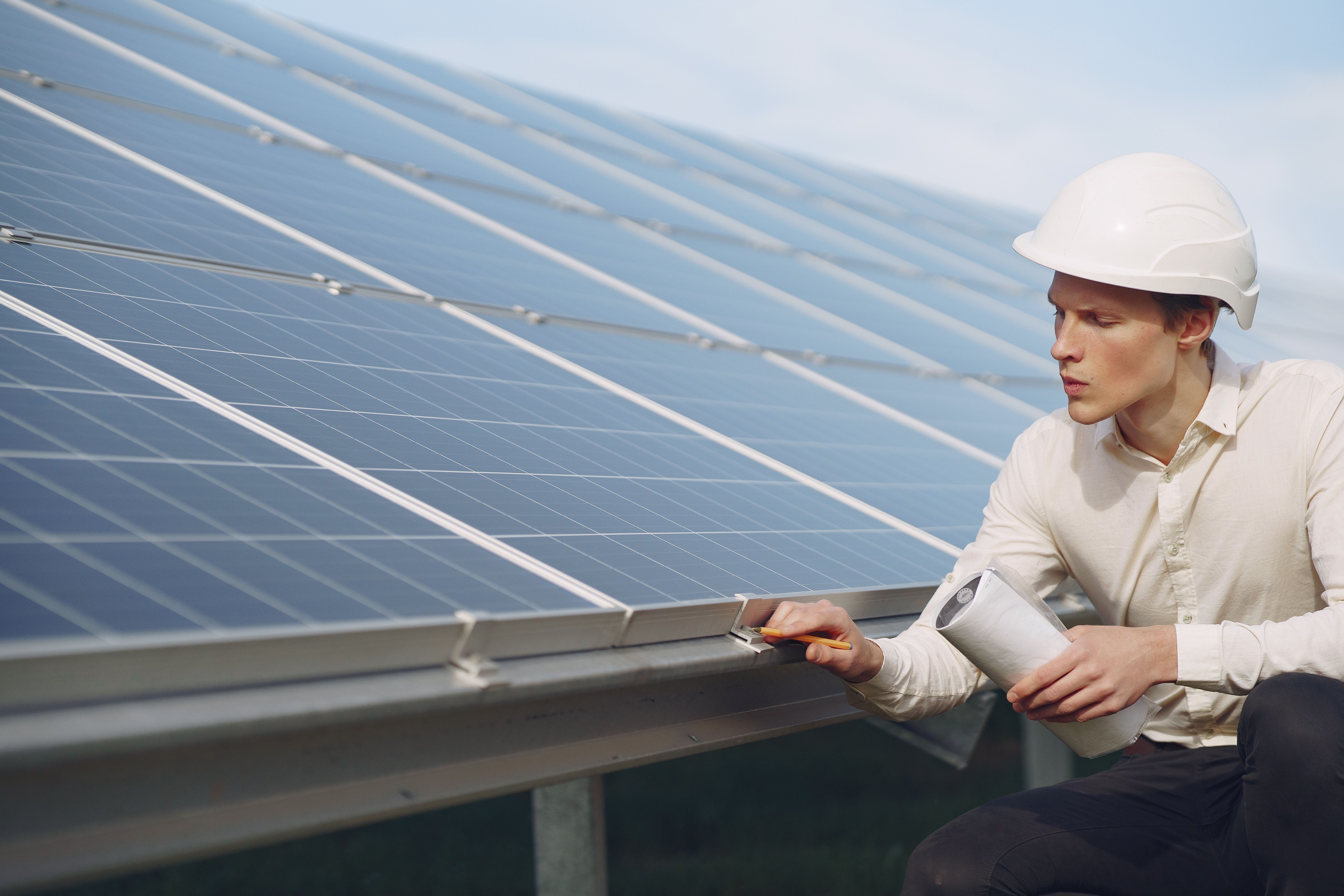
Allowing dust, grime, and bird droppings to accumulate on your system can quietly rob you of up to 30% of your power generation. Incorporating a biannual cleaning cycle keeps your system running at maximum capacity.
Safe DIY Cleaning Method
- Safety First: Always shut down the solar system entirely at the main isolation switch located near your inverter before cleaning.
- Timing: Clean panels only during cooler parts of the day (early morning, evening, or on overcast days) to prevent the glass from cracking due to sudden temperature shock.
- Washing: Use plain water, a mild soap, and a soft microfiber cloth or non-abrasive brush. For stubborn residue, mix 2 cups of water, 1/4 cup of vinegar, and 1/2 teaspoon of liquid dish soap.
- Drying: Finish with a high-quality squeegee to prevent hard water mineral streaks from forming.
⚠️ Warning: Never climb onto a wet roof without professional safety harnesses. Avoid harsh chemical cleaners or high-pressure washers, as they can permanently degrade the specialized anti-reflective panel coatings. If your roof layout is steep or complex, hire a professional solar maintenance service (typically costing around $200).
3. Know When to Upgrade Old Panels
While modern solar panels are built to last 25 years or more, cell degradation naturally limits historical output over decades. If your system is approaching its twilight years, keep an eye out for these key performance indicators:
| Warning Sign | System Impact | Recommended Action |
|---|---|---|
| Annual efficiency drop > 0.5% | Progressively lower daily kWh generation | Match performance metrics against original manufacturer data sheets. |
| Visible browning or delamination | Broken internal connections and hotspots | Request an immediate professional electrical inspection. |
| System age exceeding 20 years | Tumbles below 80%–90% of nominal capacity | Evaluate upgrading to highly efficient modern split-cell panel modules. |
| Physical microfractures in glass | Direct path for moisture ingress and failure | Replace structural modules before inverter faults trigger a system shutdown. |
4. Maximize Incentives and Feed-in Tariffs
The Federal Government's Small-scale Renewable Energy Scheme (SRES) issues Small-scale Technology Certificates (STCs) that act as an immediate, point-of-sale discount on your installation.
Because of Queensland's exceptional solar yield, local properties often secure higher-value STC brackets compared to southern states. For example, a standard 6.6 kW system can attract an upfront discount worth upwards of $2,100 to $2,554, slicing initial out-of-pocket setup costs by nearly 30%.
How to Lock in Savings
- Verify System Size: Your residential installation must remain under a total capacity of 100 kW.
- Use Accredited Professionals: Only installations completed by a fully accredited CEC designer and installer qualify for STC assignments.
- Retailer Comparison: Once connected, shop around for competitive feed-in tariffs (FiT) among regional or southeast QLD energy providers to offset any residual grid usage.
5. Harness Solar Battery Storage
A solar panel system without a battery means your excess midday generation is fed back into the grid for a low credit, forcing you to buy back expensive retail power when the sun goes down.
A typical Queensland home uses roughly 16 kWh of electricity per day, with the vast majority of that consumption occurring during peak evening hours:
| Daily Time Frame | Average Household Consumption | Solar Strategy with Battery |
|---|---|---|
| Daytime (Sunlight Hours) | 5.33 kWh | Run heavy loads directly off solar panels |
| Evening / Nighttime | 10.67 kWh | Draw stored, self-generated power from battery |
| Total Daily Footprint | 16.00 kWh | Up to 100% grid independence |
Selecting the Right Battery Size
For a standard 5 kW or 6.6 kW solar array, investing in a 10 kWh to 13.5 kWh battery storage system provides the ideal economic balance. Sizing a battery to completely sever your grid connection is rarely cost-effective; instead, focus on matching your specific average overnight base load to maximize your return on investment.
6. Shift Your Power Consumption Habits
If you don't have a solar battery installed yet, the absolute fastest way to drop your bills is behavioral tracking. Think of your solar array as a live power plant running exclusively between 9:00 AM and 3:00 PM.
💡 Behavioral Shift: Delay your dishwasher, washing machine, clothes dryer, and pool filtration pumps using built-in appliance timers so they run sequentially during peak daylight hours. Diverting this load away from grid-dependent peak evening windows will yield immediate compounding drops on your next quarterly bill.
7. Actively Monitor System Performance
Do not adopt a "set-and-forget" mentality. Make it a habit to cross-examine your system's output weekly via your inverter’s companion mobile app or web portal.
Catching an unexpected drop in generation, a localized panel failure, or an active inverter error early ensures you don't find out your system has been offline for three months only when a massive shock electricity bill arrives in the mail.