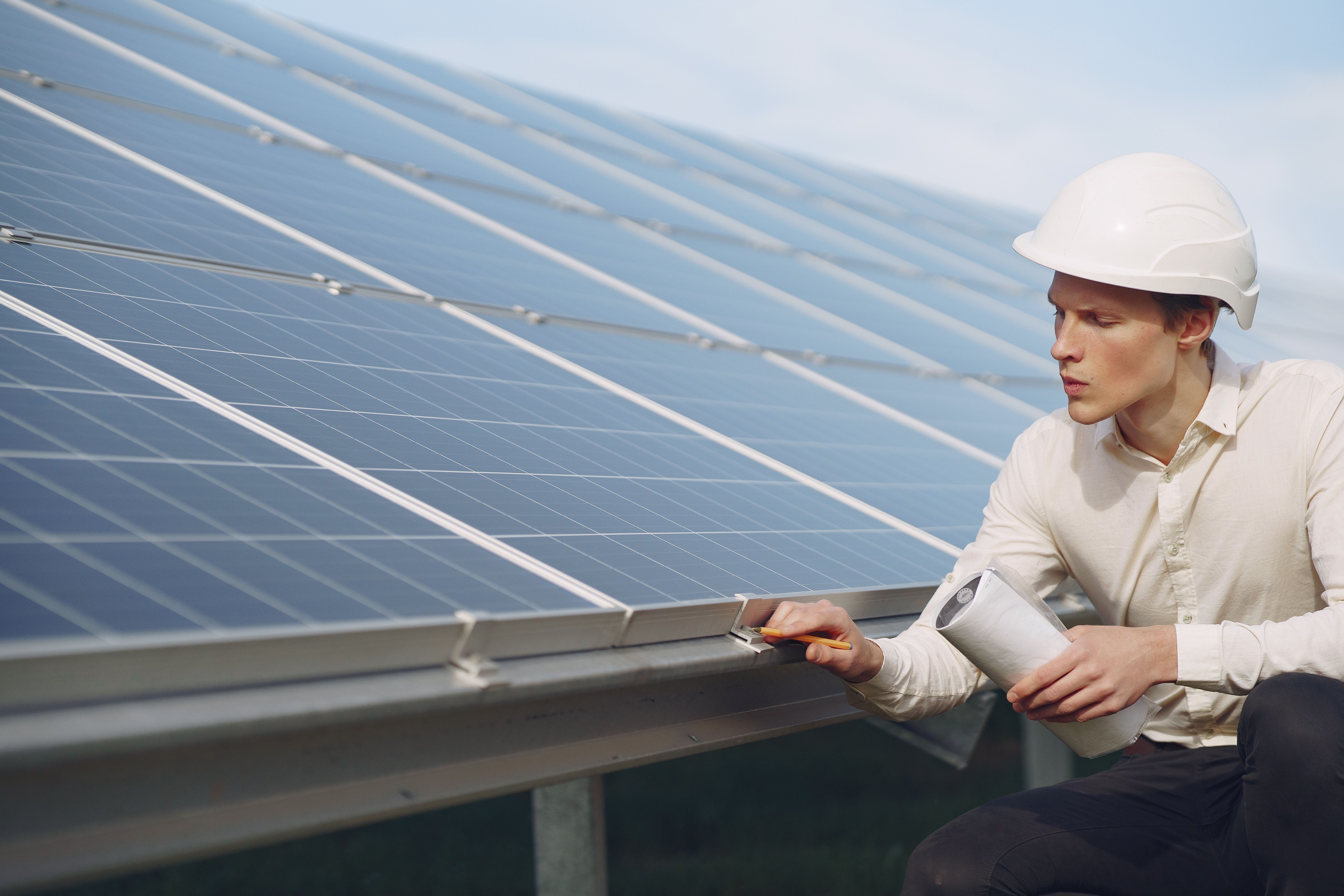
Cost of Solar Panels in Queensland and When Batteries Pay Off

Slashing Power Bills in QLD Without Guesswork
Power prices in Queensland keep climbing, and plenty of homes and small businesses are feeling it every time a bill arrives. Long sunny days are great, but they also mean lots of AC, pool pumps, and fridges working hard. No surprise that more people are looking at solar before the next big spike hits their bill.
We want to cut through the noise and give clear, simple answers. We will talk about the real cost of solar panels in Queensland, what usually affects that cost, how long systems often take to pay for themselves, and when a battery can actually help your bottom line instead of just looking good on the wall.
We work across the Gold Coast and wider Queensland, and we see every kind of roof and power bill. City units, older Queenslanders, coastal homes and small shops all have different needs, so numbers will always shift from place to place. And while this is a warm climate year-round, the middle of the year is often when people plan ahead so they are ready before the next long, hot summer and any rush on installers.
What Drives the Cost of Solar Panels in Queensland
The first big driver is system size and quality. Most homes look at something in the 6.6 kW to 10 kW range. Bigger systems can cover more of your power use and future needs, but they also need more panels, more roof space and a larger inverter.
It can be tempting to chase the lowest cost per watt, but that is not always the best value over time. Budget panels and inverters might look fine on paper, yet in real Queensland heat and humidity they can be pushed hard for many hours a day. Premium gear often comes with longer warranties, better efficiency and a stronger track record in tough conditions.
Key points to think about include:
- Panel and inverter brand and warranty length
- Performance in high temperatures and salty coastal air
- Monitoring options so you can see what the system is doing
- Support if something goes wrong later
Next are roof, switchboard and site factors. A simple, single-storey home with a clear, unshaded roof is usually easier and cheaper to work on than a steep, multi-level roof with tricky access. Shade from trees or nearby buildings can change the design and the gear we recommend.
Things that can add to cost include:
- Roof material and pitch
- Multiple roof faces or complex layouts
- Shading that needs optimisers or special design
- Older switchboards or meters that need upgrades
Older Queenslanders, coastal homes and small commercial sites with layered wiring or older gear often need extra care. It is about doing it safely and in line with current rules, not just getting panels on the roof.
Labour and standards also matter. Using installers who work to Australian Standards and follow distributor rules protects you if there is a fault or an inspection. It can change the final quote, but it helps keep your system safe and compliant for the long term.
Then there are federal Small-scale Technology Certificates, or STCs, often called the solar rebate. These lower the upfront price of a system based on its size and where it is installed. The value of STCs steps down over time, so timing can change how much support you receive.
Typical QLD Solar System Prices and Payback Timeframes
While we cannot quote numbers here, we can talk about what is usually included when someone invests in a quality system for a home or small business in Queensland. A normal quote for a solid 6.6 kW or 8 to 10 kW system should clearly spell out what you are paying for.
That usually means:
- Panels, inverter and mounting hardware
- Design, grid approval and paperwork
- Installation, testing and sign off
- Basic monitoring so you can track output
If an offer looks too good to be true, it may be cutting corners on one of those items, using lower grade gear, or not allowing enough for site work.
Payback time comes down to how much of that solar power you use yourself. A Gold Coast family with people at home during the day can run AC, washing, dishwashers and pool pumps while the sun is out. They rely less on the grid, so their bills drop faster.
Compare that with a home that is empty all day. That house exports more power back to the grid and depends on feed-in tariffs, which are often lower than what you pay for power from the grid. The system still helps, but payback is usually slower.
A few typical patterns in Queensland are:
- Daytime workers with low day use: longer payback, more export
- Work from home or retirees: shorter payback, high self use
- Small businesses with daytime trade: strong match with solar output
How you pay for the system also shapes the real timeline. Cash buyers often see a clearer, shorter payback, because they are not adding interest. Green loans can spread the cost and keep repayments manageable, but interest and fees stretch the payback. Some “no interest” deals shift costs into higher system prices or fees, so it is important to look at the full picture, not just the weekly payment.
A well-sized, well-installed system in Queensland sun can often cover its own cost within a reasonable number of years, then keep giving bill savings for many more.
When Adding a Battery Starts to Make Financial Sense
A battery changes when you use your solar, not how much you make. Instead of sending daytime excess back to the grid for a lower feed-in rate, you store it and use it after sunset. This cuts your evening grid imports and smooths your bills.
Battery economics in Queensland feel different to places with higher feed-in tariffs or very steep peak tariffs. Here, the value often comes from:
- High evening and night-time usage that stays even after solar
- Rising usage charges from retailers
- The comfort of locking in some bill stability over a long period
Good signs that a battery might pay off include:
- Heavy evening AC, pool pumps, cooking and device charging
- An electric vehicle charging at home most nights
- A small business that trades into the evening or runs fridges or freezers after dark
There is also the lifestyle side. Many Queensland areas see storms that can knock out power. A battery that is set up for backup can keep key circuits running, like lights, fridges and devices, which is hard to put a dollar value on but very important for many families and businesses.
Batteries do not have to be added on day one. A smart path is to install solar first, watch your usage and bills for 6 to 12 months, then decide. Real data from your own home or business is the best guide for whether storage will pay off.
Smart Strategies to Boost Solar and Battery Payback
Once the system is on the roof, your habits make a big difference. The more solar power you use in real time, the faster the payback.
Good habits include:
- Running the dishwasher and washing machine in the middle of the day
- Setting pool pumps to run in sunny hours where possible
- Using timers on hot water heat pumps if you have one
- Charging devices and, if you have one, an EV while the sun is out
Choosing the right tariff and retailer also matters. The best plan for a home without solar is often not the best for a solar home. You want a good mix of:
- Fair usage rates for grid power
- Reasonable daily supply charges
- A feed-in tariff that matches how much you export
Looking ahead is just as important. If you plan to get an EV, extend the house, add a granny flat or grow a home based business, it can be smart to size the system and wiring with that in mind. That way you are not paying again to redo work later.
We design systems so they can be expanded or paired with batteries later without major changes. Thinking a step ahead can save both money and hassle down the track.
Turn Rising Power Bills Into an Asset with Qvolt Solar
The cost of solar panels in Queensland is shaped by system size and quality, your roof and wiring, and the way labour and rebates are handled. Payback time depends on how and when you use power, and the tariff you are on. Batteries start to make more sense when your evening use stays high, your feed-in tariff is low, and you value stability and backup as much as pure dollars.
We take what we see every day across the Gold Coast and regional Queensland and turn it into clear designs that match real homes and businesses. Thoughtful planning now means your roof can start working for you and your bills are in better shape before the next long stretch of hot, bright Queensland days.
Get Started With Your Project Today
If you are ready to explore how solar could cut your power bills, we can walk you through what matters most for your home or business. Our team will break down the real cost of solar panels in Queensland so you know exactly what to expect before you commit. At Qvolt Solar, we design systems around your usage and budget so you only pay for what you actually need. Reach out today and we will help you plan the next steps with clear, straightforward advice.